


Science Content Series · SecondHand-Carbon
The Silent Feast Series
Under every field there’s a feast nobody sees. This series follows carbon from the plant, through the roots and into the microbes that keep soil alive. One illustrated story at a time, made with Robert Herrington and SecondHand-Carbon.
Content performance
What the series has done so far
Numbers straight from Robert’s LinkedIn analytics. Most of the people reading weren’t following him yet. That’s the point of science content: it travels.
Source: LinkedIn post analytics for the Silent Feast Series on Robert Herrington’s profile.
What the series covers
Following carbon underground
Most talk about soil carbon stops at “store more of it.” The Silent Feast goes further and asks what carbon actually does down there, and who eats it.
- PlantsPhotosynthesis pulls carbon from the air and sends a share of it below ground.
- Root exudatesRoots leak sugars and acids that work as an invitation to soil life.
- MicrobesBacteria and fungi feed on that carbon and get to work.
- Organic matterWhat they leave behind builds the soil’s long-term carbon store.
- Soil functionNutrient cycling, structure and water holding all follow from the feast.
Live on LinkedIn
Every post in the series
Published weekly on Robert Herrington’s LinkedIn. New stories show up here as soon as they go live.
Live
The Silent Feast Series
Made with SecondHand-Carbon, the Silent Feast Series follows carbon through living soil: from plants and root exudates to microbes, organic matter, nutrient cycling and soil function.
Each topic becomes a researched visual story, so the series builds into a steady lesson on how carbon behaves underground.
Created for
 SecondHand-Carbon
Published through

Robert Herrington
Founder & CEO, SecondHand-Carbon
Live on LinkedIn
From the series
A few of the illustrations
Tap any illustration to see it full size.
-
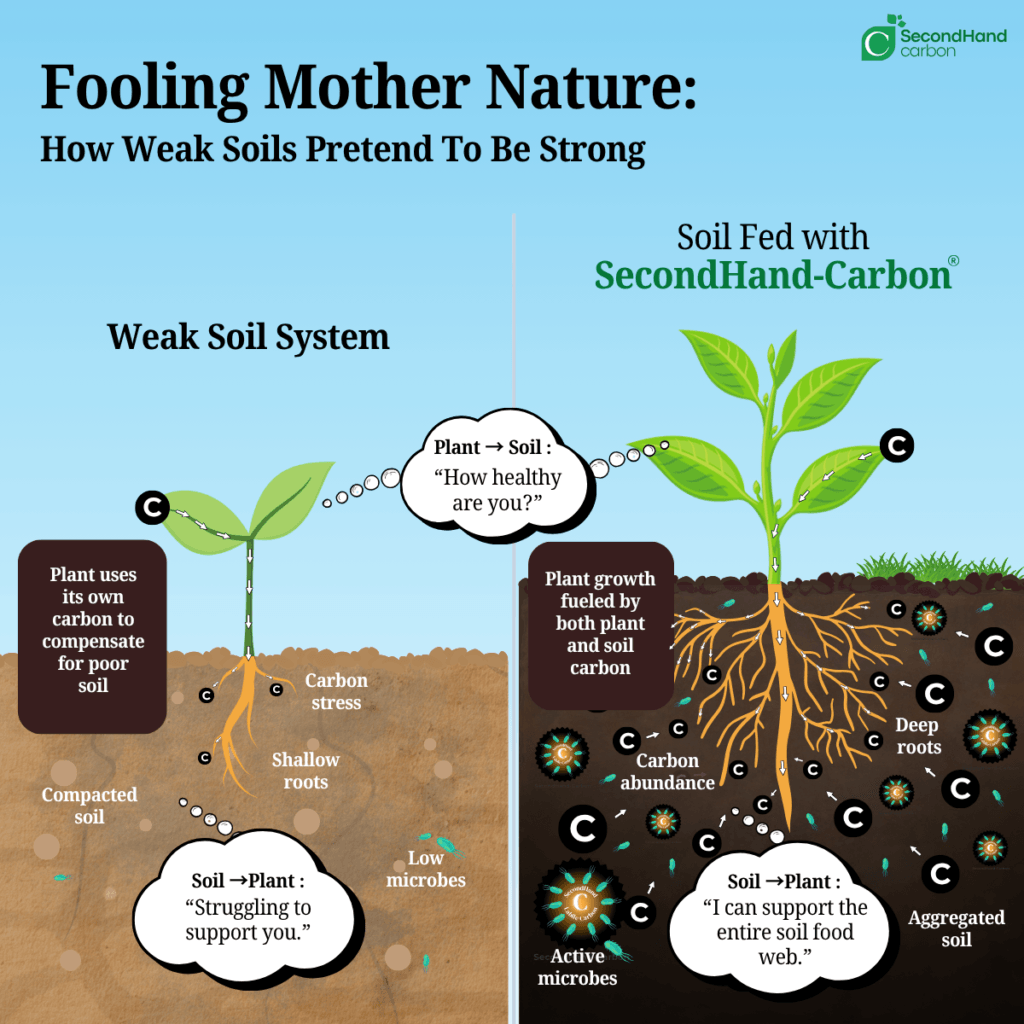
Fooling Mother Nature
Weak soil makes the plant spend its own carbon to get by. Feed the soil and the roots go deeper, microbes wake up and the whole system starts carrying its own weight.
-
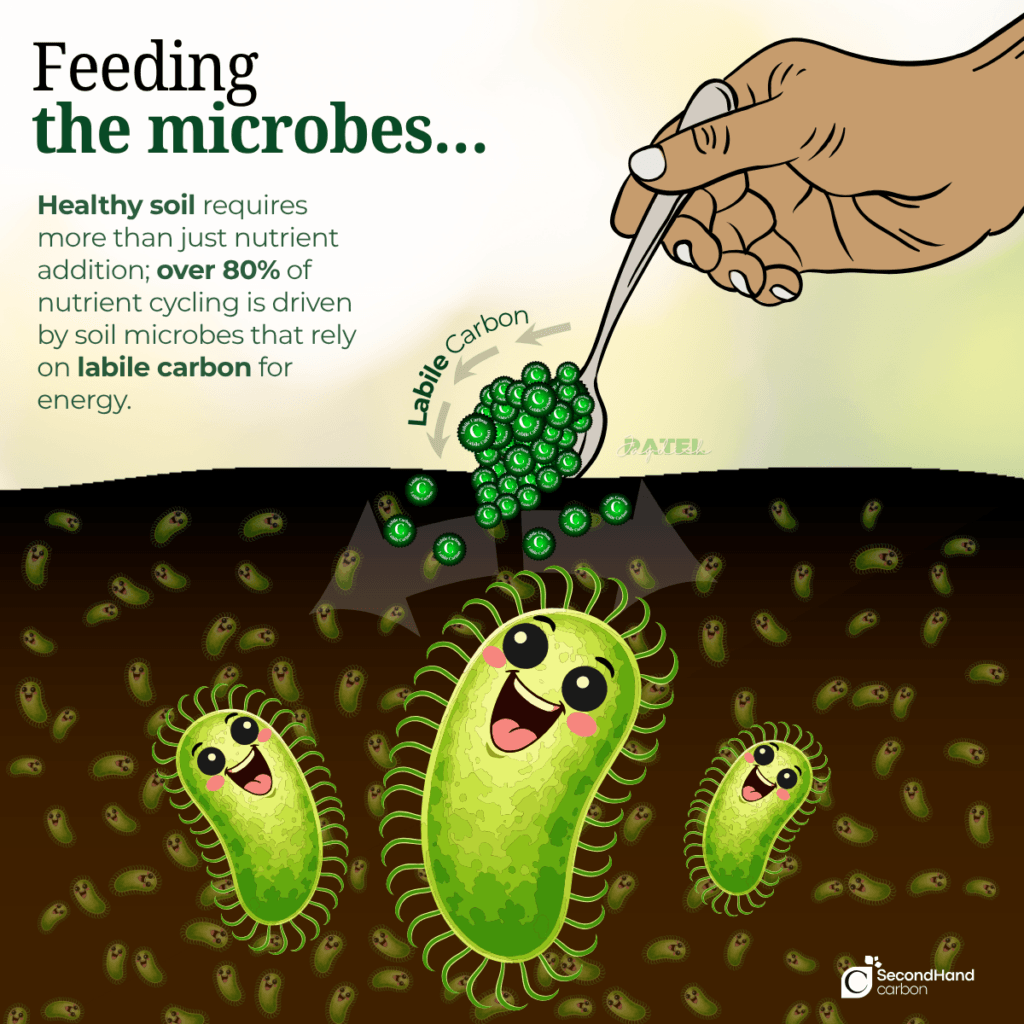
Feeding the microbes
Over 80% of nutrient cycling is driven by soil microbes, and they run on labile carbon. Feed them and they keep nutrients moving to the plant.
-
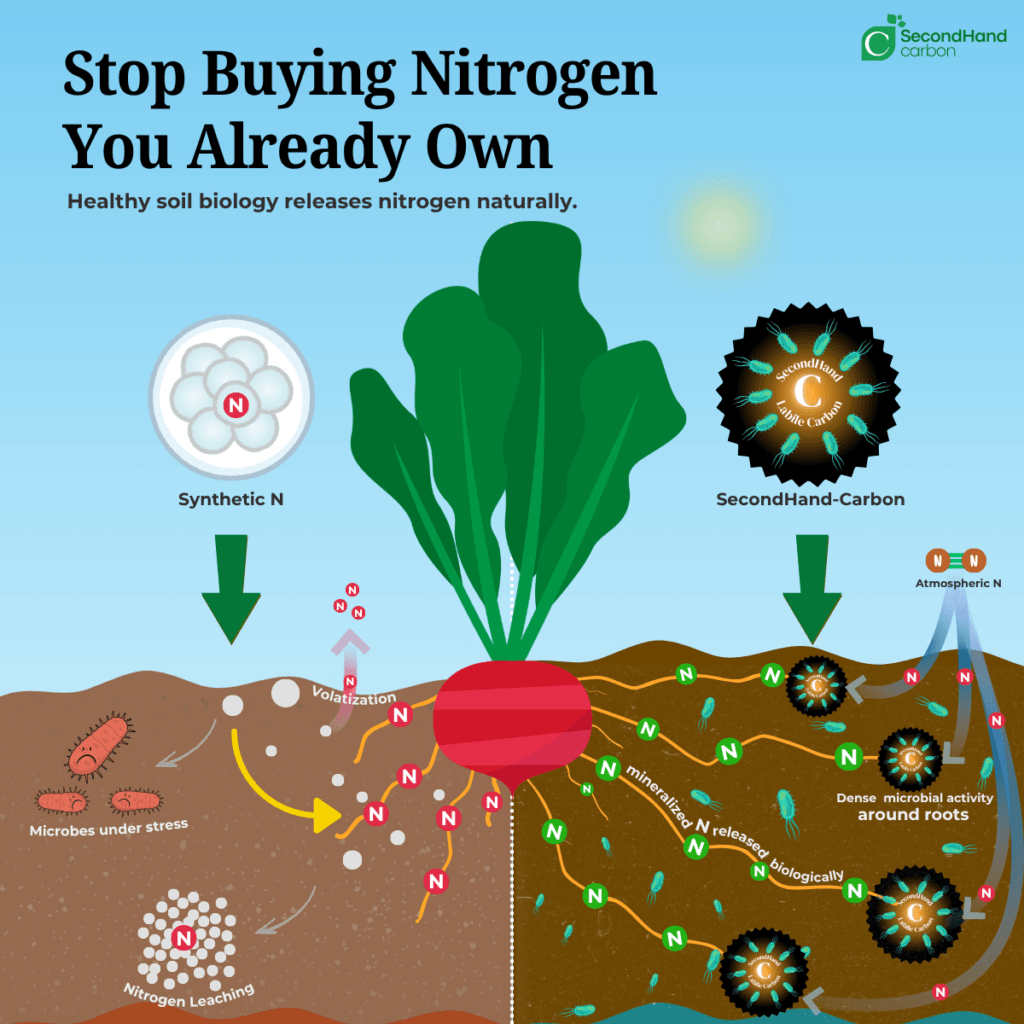
Stop buying nitrogen you already own
Healthy soil biology releases nitrogen on its own. This one puts synthetic N next to a carbon-fed soil system, side by side.
The ebook
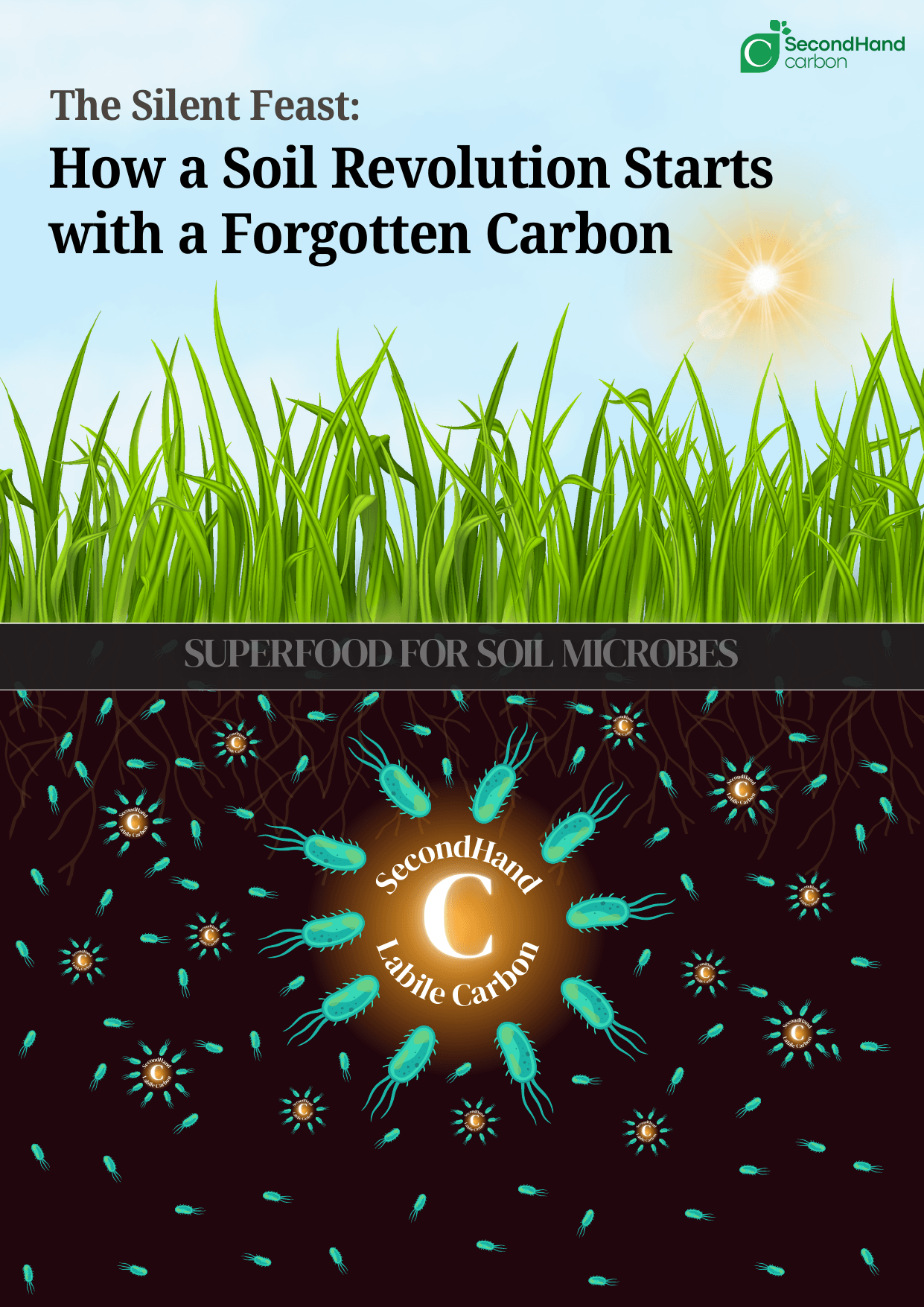
How a soil revolution starts with a forgotten carbon
Before the weekly posts, there was the book. It lays out the whole idea behind the series in one place: the carbon that feeds soil life, why it gets overlooked, and what changes when you put it back.
Open the bookLet’s talk
Want a series like this for your brand?
Tell me what your company works on and what you wish your market understood. I read every message and answer it myself.
Founders, agricultural brands and research teams are all welcome. If we’re not the right fit, I’ll tell you.
- Prefer to talk?
- Or email jagdish@jagdishpatel.info
Let’s Talk About Your Science
30 min · Jagdish Patel, Soil Stories
Pricing
Request pricing
Full pricing for content partnerships and project-based work, sent straight to your inbox.