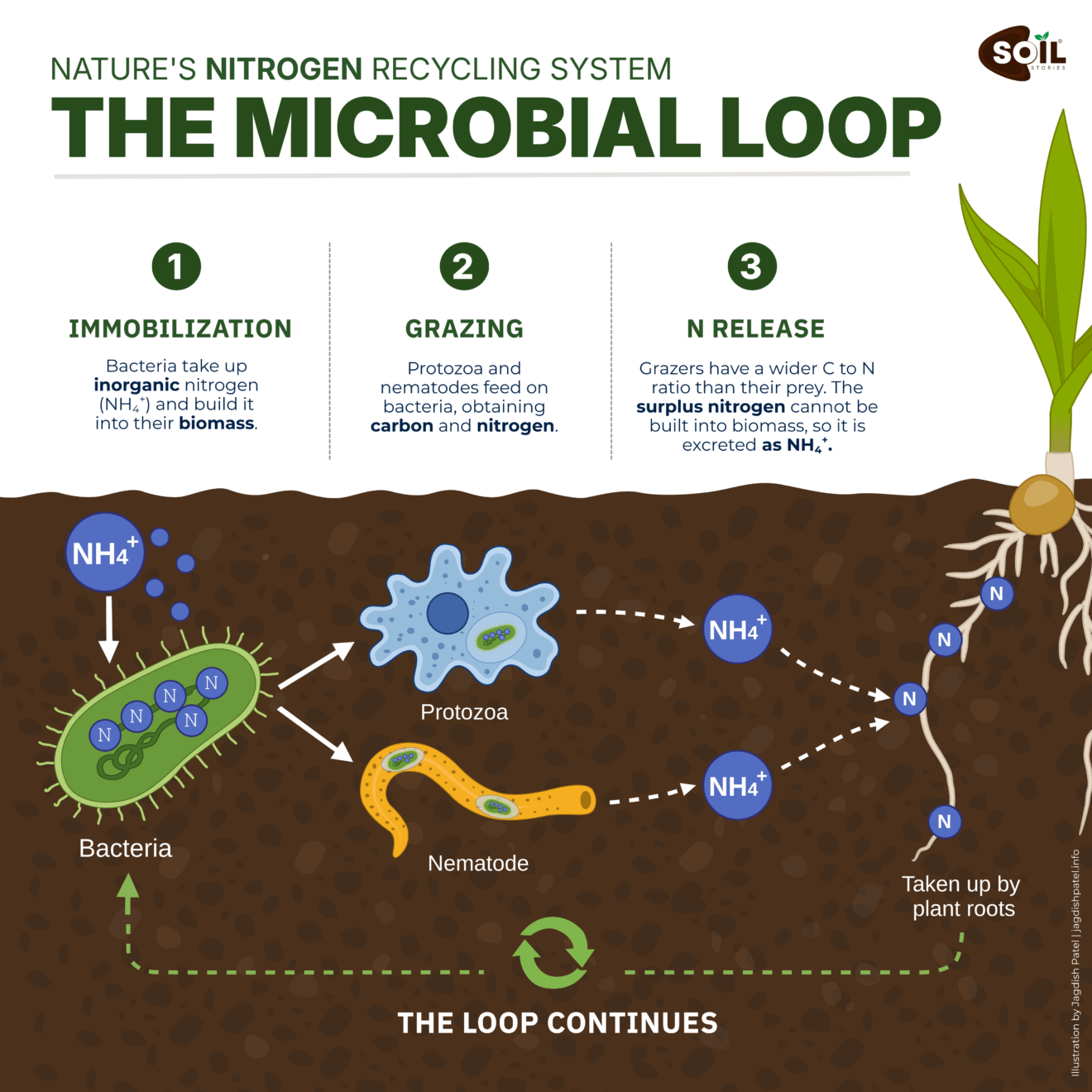
Nitrogen immobilization in soil: where the nitrogen goes and how it comes back
A soil test measures nitrogen in solution and on exchange sites at the moment you sampled. It does not measure the nitrogen already inside living

To get pricing for any service, just fill out this form and you'll receive it in your email.
A soil test measures nitrogen in solution and on exchange sites at the moment you sampled. It does not measure the nitrogen already inside living
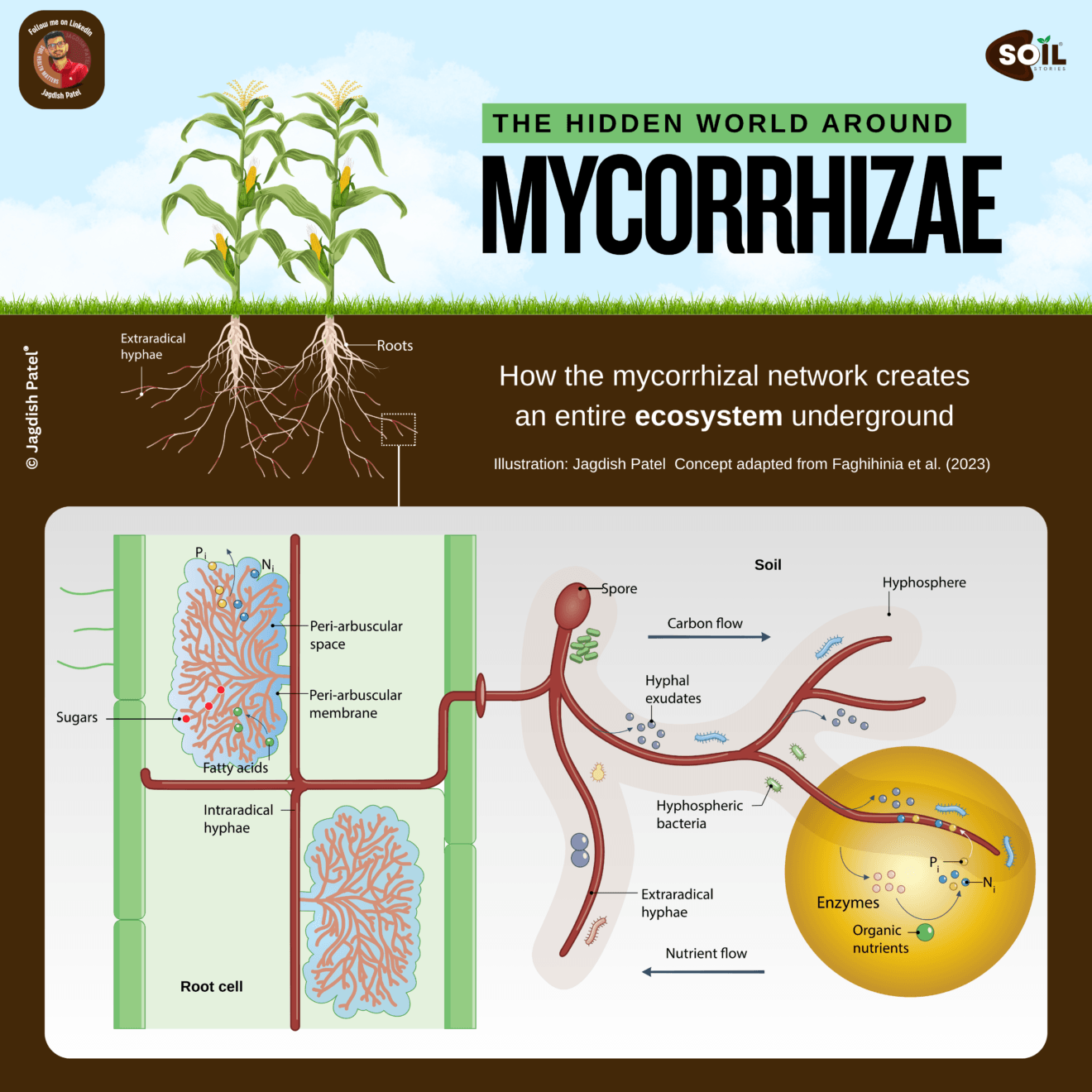
A root hair is a few hundred micrometres long. Beyond that tip lies phosphorus and nitrogen the plant will never touch on its own, locked
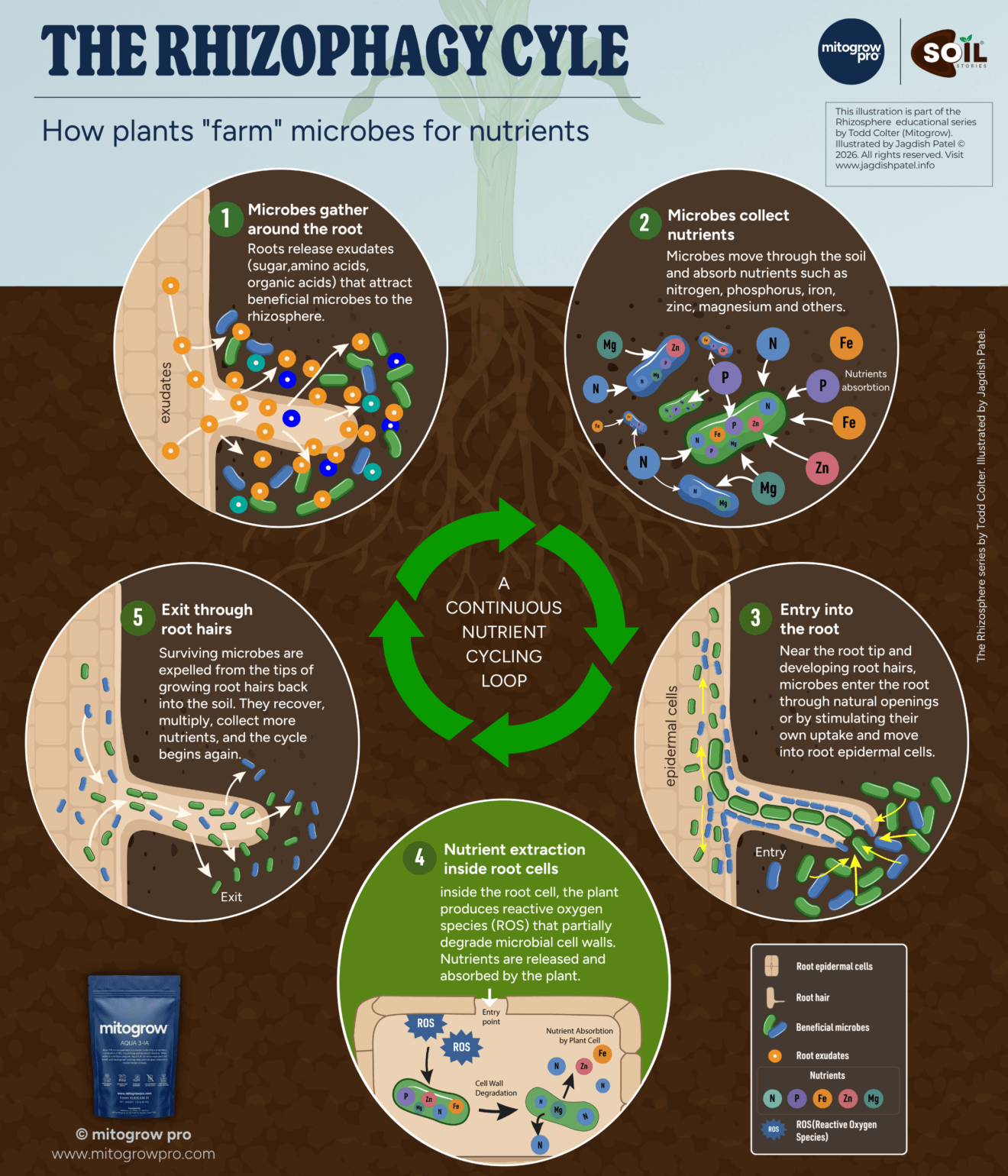
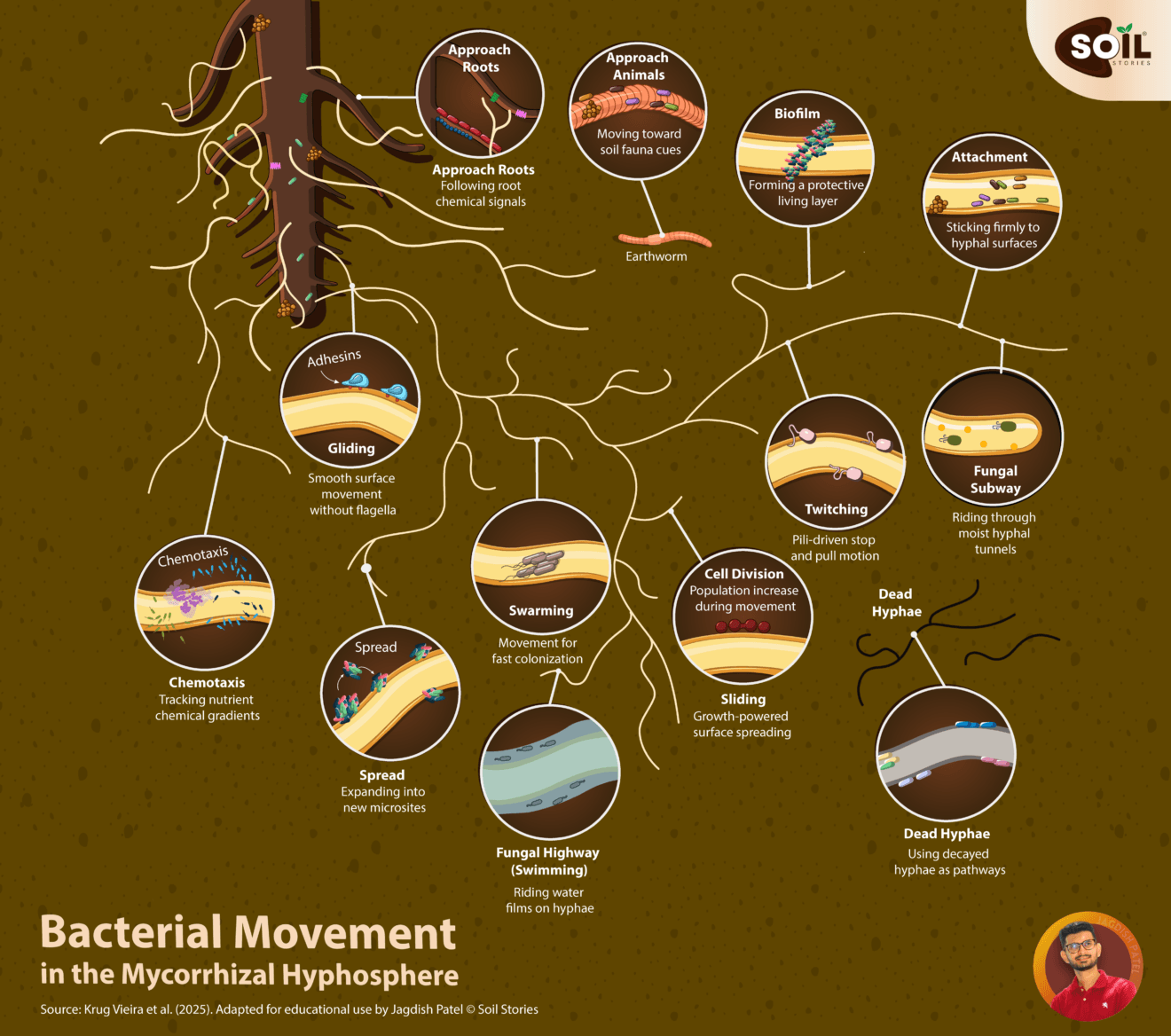
For decades, the standard explanation for how plants absorb nutrients was simple: roots take up dissolved minerals from soil water, and mycorrhizal fungi extend that
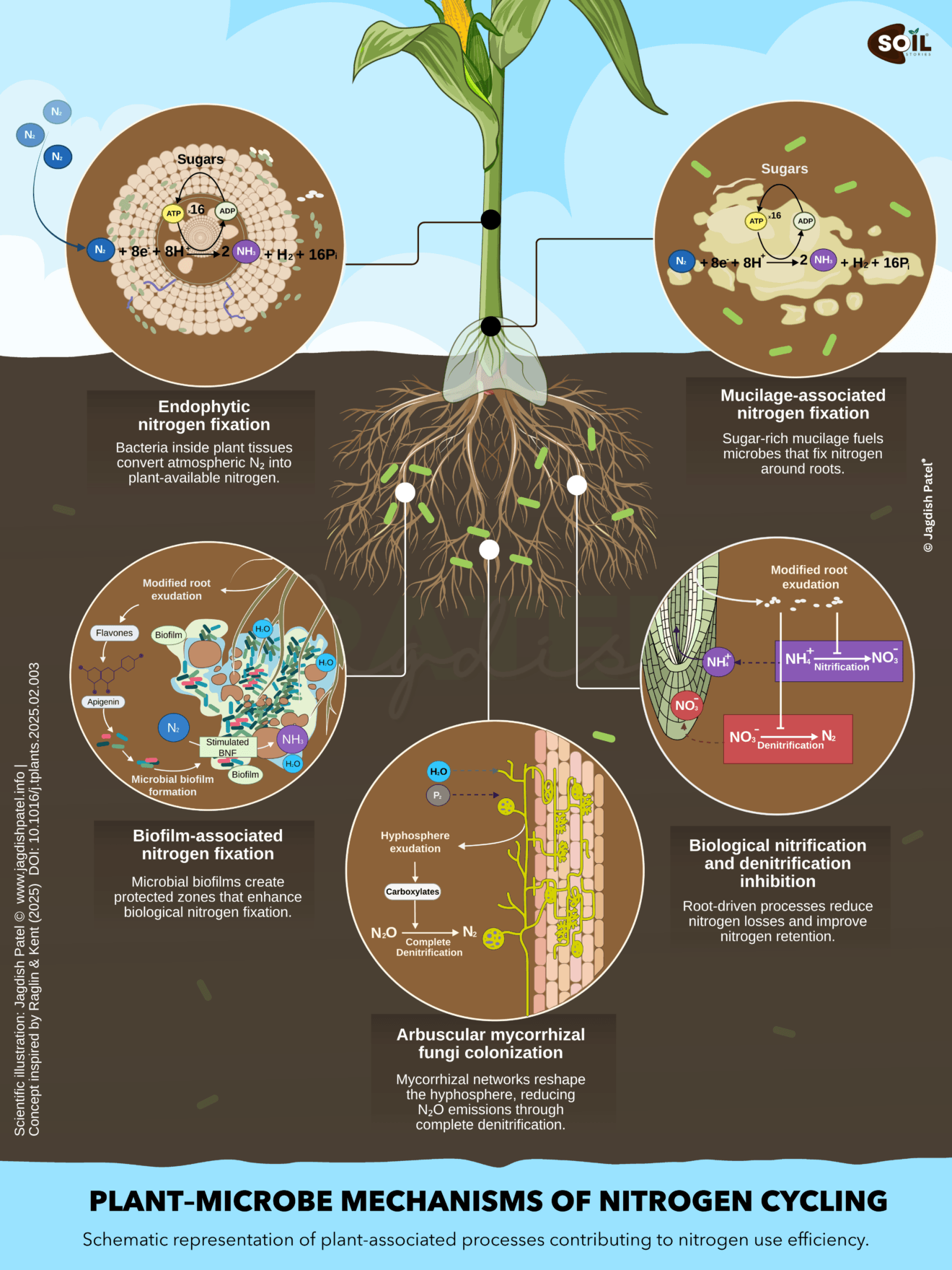
Plant-microbe nitrogen cycling describes a set of natural processes happening below ground, right around crop roots, that determine how much nitrogen a plant can capture,
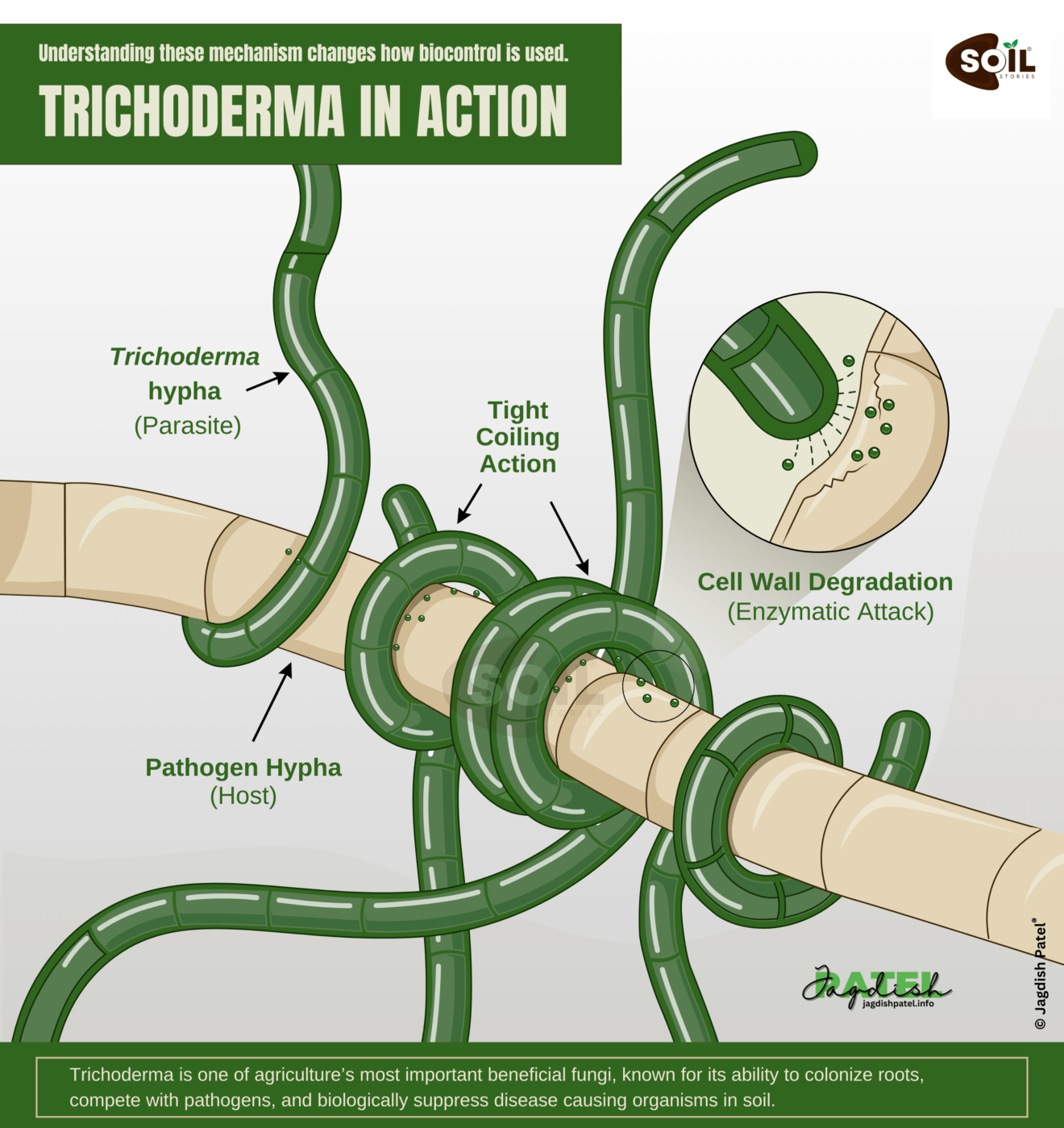
Trichoderma mycoparasitism is the mechanism that most BioAg labels never explain, and most growers never see. Walk into any agri-input store or read any product brochure,
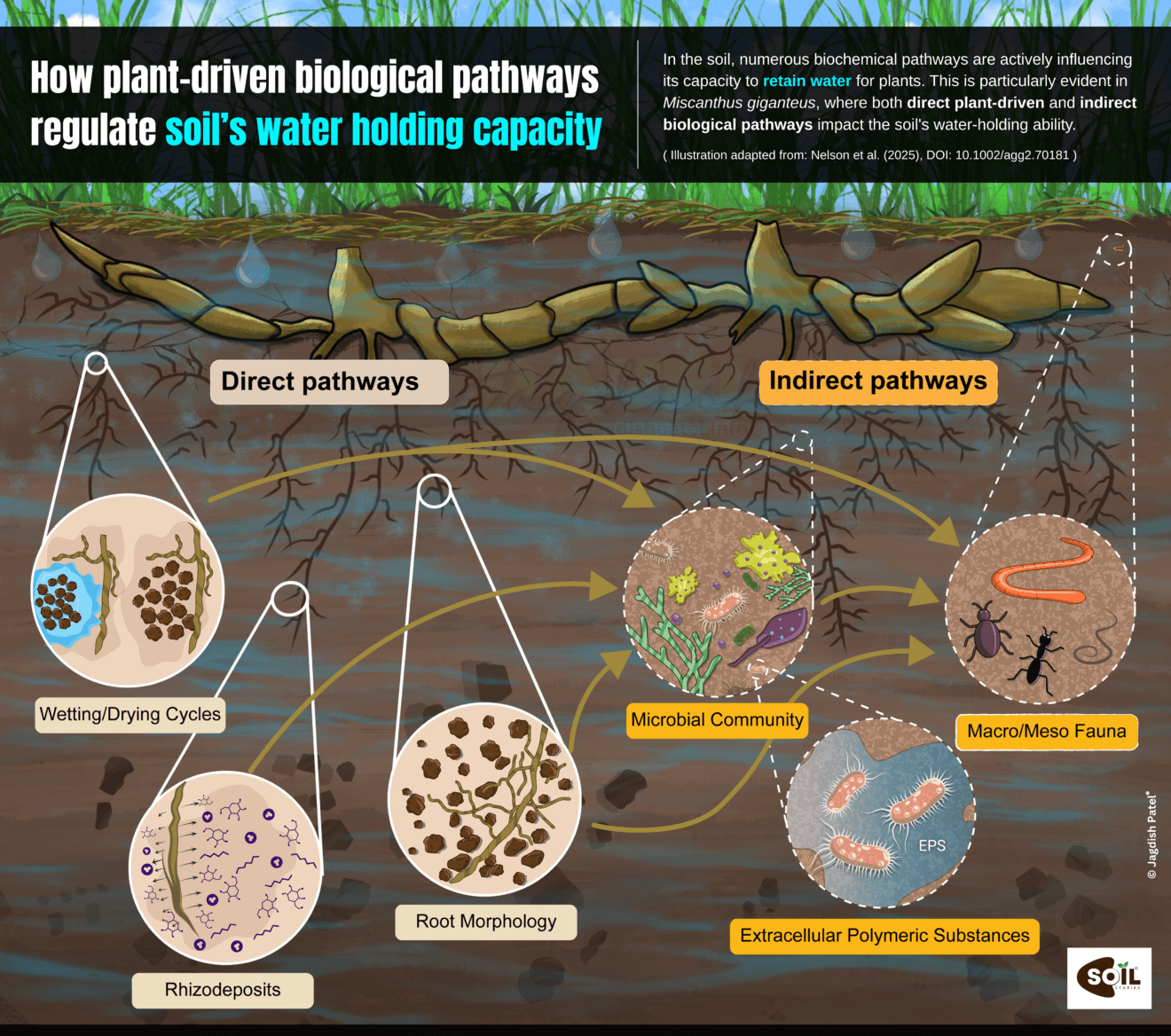
Soil water holding capacity is one of the most important and most misunderstood properties in soil science. Most conversations around it start and end with texture. Sand, silt, clay. It is a familiar framework, easy to measure and easy to compare. But here is the deeper reality: two soils with the same texture can behave very differently when it comes to holding water. So what is really controlling it? The answer sits below the surface, in something we do not always measure directly. Soil structure, and more importantly, how that structure is built. “Water retention is not just a physical property. It is a biological outcome, one that reflects the health and activity of everything living below
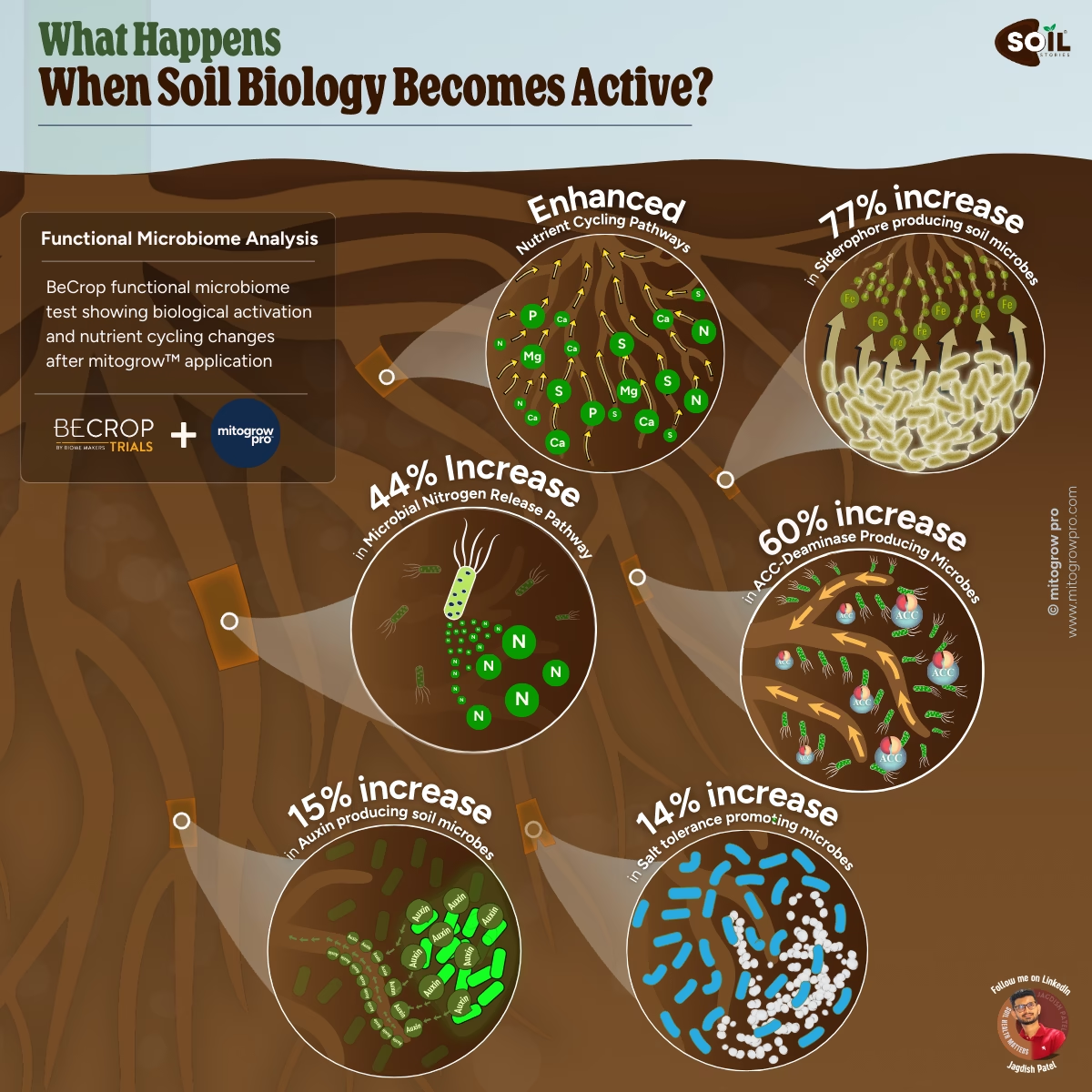
Active soil biology is one of the most important yet often overlooked factors in soil health. Traditional soil testing has focused mainly on measuring nutrients
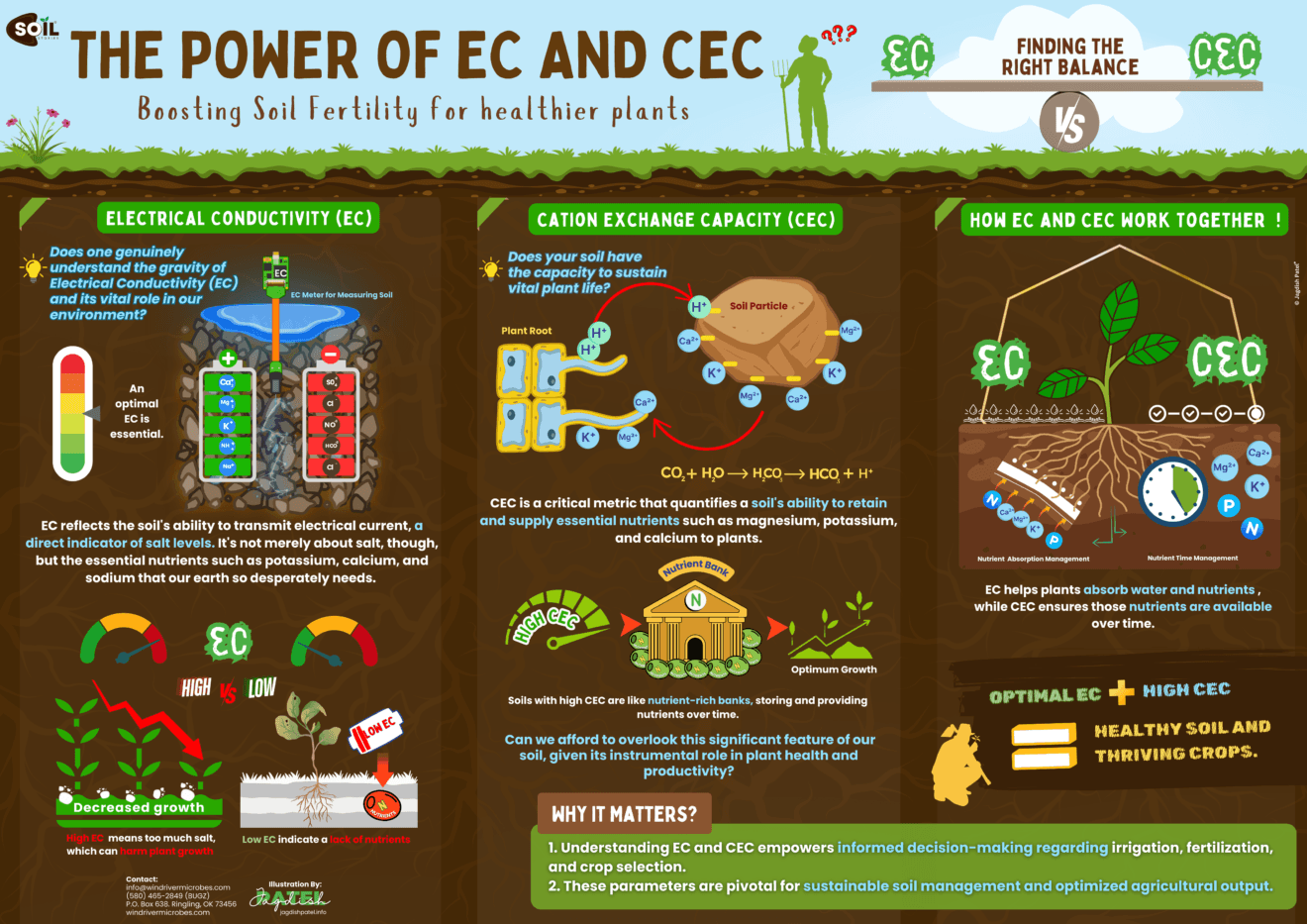
Modern farming is drowning in complexity. We obsess over NPK ratios, chase new fertilizer blends, and invest heavily in inputs that promise higher yields. Yet,
Is your soil really alive, or is it just inert material? The answer lies not in what you see, but in what you cannot see.